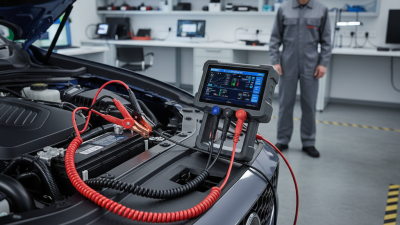
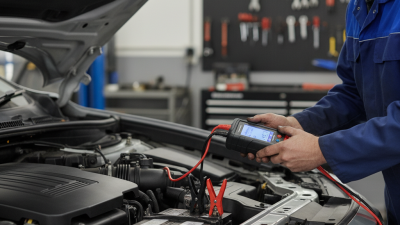
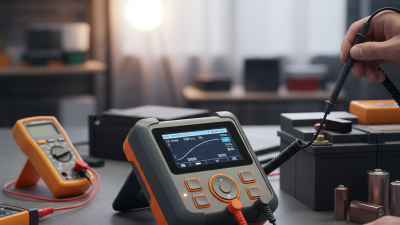
In the world of electronics, making sure your batteries work their best is more important than ever. As tech keeps moving forward, battery efficiency has become a big deal. John Smith, who’s a top expert over at PowerTech Solutions, really stresses this—he says, "A reliable Battery Drain Tester is essential for getting accurate results." His point is clear: you need precision when testing batteries.
Honestly, a lot of folks don’t really think about the nitty-gritty of battery testing. But in today's devices, even tiny issues can cause big problems. Using a well-calibrated Battery Drain Tester can uncover problems that might otherwise lead to batteries dying way too soon. Like, if your readings are off, you might end up replacing batteries unnecessarily or too late, which isn’t ideal.
Picking the right Battery Drain Tester can feel overwhelming, too—there are so many options out there. The trick is to focus on models that are reliable and accurate. Still, even the best tester won’t do much good if it’s not used correctly or isn’t calibrated properly. Mistakes happen; sometimes readings can be misleading, and that can throw off your whole diagnosis. That’s why staying curious, learning as you go, and double-checking your results is so important.
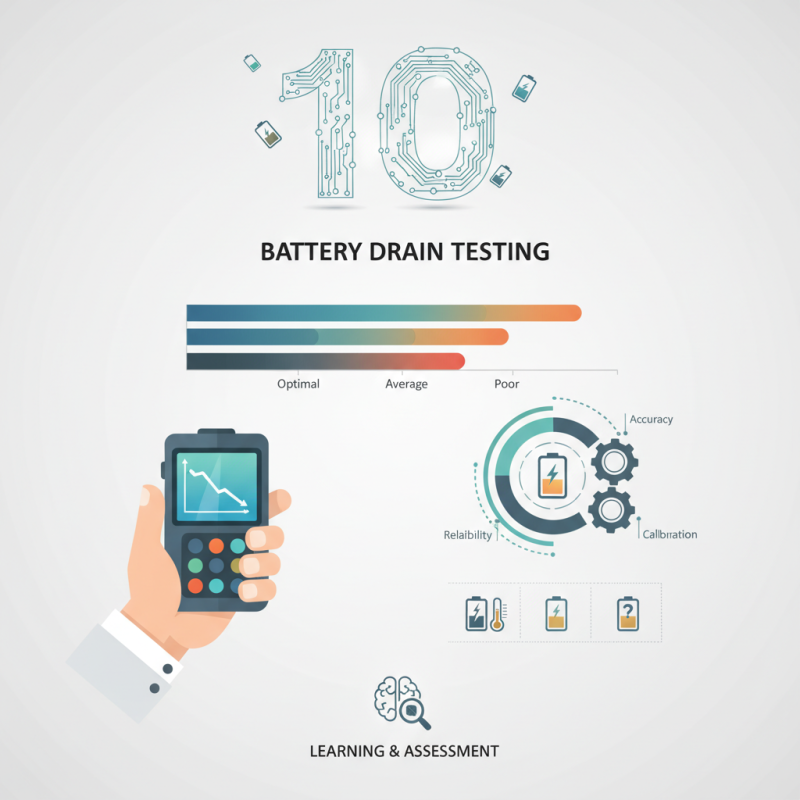
Understanding Battery Drain Testers and Their Importance
Battery drain testers play a crucial role in maintaining battery health and performance. These tools assess how quickly a battery discharges under specific loads. Research indicates that poorly managed batteries can lead to significant operational failures, costing businesses up to 20% in system downtime. Regular testing helps identify weak batteries before they fail completely, ensuring smoother operations.
Understanding battery drain testers is key for technicians and engineers. Most models utilize advanced algorithms to simulate real-world usage scenarios. Accurate load conditions are vital. According to a recent industry report, 65% of battery failures result from improper testing. Simple tests might overlook critical battery issues. Regular training and calibration of testers enhance reliability.
Moreover, choosing the right tester entails considering factors like load capacity and accuracy. Many testers can measure multiple battery types, from lead-acid to lithium-ion. Different conditions can affect readings, leading to potential misunderstandings. Regular monitoring and awareness are essential. Users must reflect on their testing practices to ensure comprehensive results. This proactive approach can mitigate unforeseen risks and extend battery life significantly.
Key Features to Look for in a Battery Drain Tester
When selecting a battery drain tester, it's crucial to prioritize specific features. A reliable tester should provide accurate readings within a wide voltage range. Look for devices that measure current draw at various states. This capability allows users to assess both good and failing batteries effectively.
Another vital element is durability. battery testers often face wear and tear, so robust construction is essential. Some studies show that testers with advanced build quality last up to30% longer than their counterparts. Check for features like a dust and water-resistant casing. Additionally, an intuitive interface can streamline testing processes, making it easier for technicians to interpret results quickly.
Tip: Always calibrate your tester regularly. Calibration ensures accuracy and prevents misleading readings.
For deep cycle batteries, compatibility is crucial. You need a Battery Tester For Deep Cycle Battery that can handle different battery types. Some testers perform better with specific chemistries, such as AGM or lithium. Understanding these nuances improves testing reliability.
Tip: Keep a log of your battery tests. Historical data can provide insights into performance trends over time.
Top 10 Battery Drain Testers for Accurate Performance
Choosing the right battery drain tester is essential for maintaining optimal performance. A reliable tester analyzes how well a battery can handle power demand. This is particularly true for high voltage batteries, often used in electric vehicles and renewable energy systems.
When selecting a tester, look for accurate measurement capabilities and versatility. A good battery drain tester will measure voltage, current, and capacity with precision. Ideally, it should have clear displays to make readings easy to interpret. You might find some testers feature data logging, which is helpful for troubleshooting and performance analysis.
Tips: Always calibrate your tester before use. This ensures that your readings are reliable. Additionally, keep your equipment clean and stored properly. Dirt or moisture can affect accuracy, leading to misguided assessments.
Investing in a quality High Voltage Battery Tester can save you time and money in the long run. Consider how often you test batteries and the environments in which you operate. It's worth finding a model that fits your specific needs to improve efficiency.
Comparative Analysis of Battery Drain Testers on the Market
When selecting battery drain testers, it’s crucial to examine their features closely. Many testers claim accuracy but may have underlying issues. For instance, several may not account for varying battery chemistries, potentially leading to miscalculations. Understanding the specifications of each tester lets users make informed choices.
Some models excel in user interface design while others sacrifice usability for advanced features. A tester that looks sleek might be hard to navigate. This directly impacts the accuracy of user results. Hence, ease of use should be part of your analysis. Check reviews and user input, as real-world experiences often reveal hidden flaws.
Calibration is another area to watch. Some testers require frequent recalibration to maintain their accuracy. Skipping this step could result in misleading data. Reliability comes from consistent performance over time, and periodic checks ensure your readings are trustworthy. Often, the best testers are those that balance accuracy, customer feedback, and user experience.
How to Conduct Accurate Battery Drain Testing
Conducting accurate battery drain testing is essential for ensuring the longevity and reliability of batteries. Begin by preparing a controlled environment. This minimizes variables that can affect your results. A stable temperature is crucial. Fluctuating conditions can lead to inconsistent readings. Use a suitable test setup that measures voltage and current accurately.
When using an Emergency Light Battery Tester, ensure it is calibrated correctly. Regular calibration enhances reliability. Monitor the testing process closely. Keep a log of performance metrics throughout the test. This helps identify any irregularities in battery behavior.
After testing, analyze the data thoroughly. Look for patterns that indicate potential issues. It's important to reflect on your methods and consider improvements. Testing can sometimes yield unexpected results. Not every test will go as planned. A critical eye helps refine your approach over time. Understanding these nuances leads to better insights into battery performance.
Battery Drain Test Results for Top 10 Testers
This bar chart presents the estimated battery drain efficiency tested by various testers. The consumption rate is measured in milliampere-hours (mAh), with lower values indicating better battery efficiency during testing.
Tips for Maintaining Your Battery Drain Tester
Maintaining your battery drain tester is essential for accurate results. Start by storing the device in a cool, dry place. Extreme temperatures can affect accuracy. Ensure it is placed in a cushioned case to prevent physical damage during transport. Regularly inspect the tester for any signs of wear or tear. Batteries must be in good condition for reliable testing.
Calibration is crucial for precision. Check the manufacturer's guidelines periodically. If the device produces inconsistent readings, recalibrating may be necessary. Always use the tester on the recommended battery types. Misuse can lead to inaccurate results. Clean the connectors after each use. Dust and dirt can impede performance.
Don't neglect the software updates if your tester has digital features. Updated software can enhance functionality and accuracy. Even with the best maintenance, sometimes, a tester may show flaws. If issues arise, consider seeking professional help. Accepting that mistakes can happen will improve your skills over time.
Common Mistakes to Avoid During Battery Drain Testing
Battery drain testing is a critical process for ensuring optimal performance in various devices. However, many users make common mistakes that can lead to inaccurate results. A study by the Battery Performance Institute indicates that improper testing methods could lead to a 30% discrepancy in battery life assessments. Failing to calibrate your testing equipment is a frequent oversight. Calibration ensures accuracy, affecting the reliability of your battery analysis.
When using a tool like a battery tester, avoid rushing the process. Take time to connect all components properly. A loose connection can lead to faulty readings. Additionally, ambient temperature greatly influences battery performance. Testing in extreme conditions yields misleading data. A temperature range of 20-25°C is ideal, according to industry standards.
Tip: Always check your connections before starting any test. Small errors can lead to larger issues down the line. Another essential point is to analyze the results critically. Sometimes, results might seem perfect, but a deeper dive reveals potential weaknesses. A comprehensive understanding of battery technologies, such as lithium-ion versus nickel-metal hydride, is vital for accurate assessments. Being aware of these nuances can enhance the reliability of your battery drain tests.
Advancing EV Technology: Essential Features of High-Precision Battery Charge Discharge Test Systems for Manufacturers
As the electric vehicle (EV) market continues to expand, high-precision battery charge and discharge test systems have become crucial for manufacturers seeking to enhance their production capabilities. These systems play a vital role in ensuring the reliability and performance of batteries, which are the heart of all EVs. According to a report by BloombergNEF, global EV sales are projected to reach 54 million by 2040, necessitating advanced testing technologies that can keep pace with this rapid growth.
Focusing on the essentials, high-capacity battery testing solutions such as the 18U cabinet are designed to accommodate the increasing demands of the industry. This innovative system provides ample space and flexibility, capable of handling up to 32 testing channels simultaneously. With support for battery voltages ranging from 30V to 120V, manufacturers can thoroughly evaluate a wide range of battery types and configurations. Such capabilities are essential as the industry shifts toward more powerful battery chemistries, including lithium-ion and beyond.
Furthermore, precise charge and discharge testing is imperative for meeting safety standards and optimizing battery lifespan. The ability to conduct extensive tests helps in identifying performance parameters and optimizing charging algorithms, ultimately enhancing the overall efficiency of the production process. With the growing complexity of battery systems—especially those incorporating fast-charging technologies—investments in robust testing infrastructures are increasingly seen as a necessity for manufacturers aiming to lead in the EV market.
FAQS
: Look for accurate readings across a wide voltage range. The tester should measure current draw in different states.
Battery testers face wear and tear. A robust construction can extend the device's lifespan significantly.
Regular calibration is essential. It helps prevent misleading readings and maintains reliability over time.
Yes, compatibility with various battery chemistries, like AGM or lithium, enhances testing reliability.
Users often skip calibration and rush connections. These mistakes can lead to inaccurate results and faulty readings.
Testing in extreme temperatures can yield misleading data. The ideal range is between 20-25°C.
Results may appear accurate but could reveal weaknesses upon closer inspection. A deeper understanding of battery technologies is crucial.
Reviews often highlight hidden flaws in testers. User experiences can reveal usability issues that affect accuracy.
Conclusion
Battery Drain Testers are essential tools for accurately assessing the performance and efficiency of batteries, ensuring that they meet the required standards for various applications. Understanding the importance of these testers begins with recognizing their key features, such as measurement precision, ease of use, and durability.
When selecting a Battery Drain Tester, it's crucial to evaluate the options available on the market through comparative analysis, allowing for informed decision-making. Conducting accurate battery drain testing involves following specific procedures and avoiding common mistakes, which can lead to misleading results. Additionally, maintaining your tester properly will prolong its life and ensure consistent performance, making it a valuable asset for anyone working with batteries.

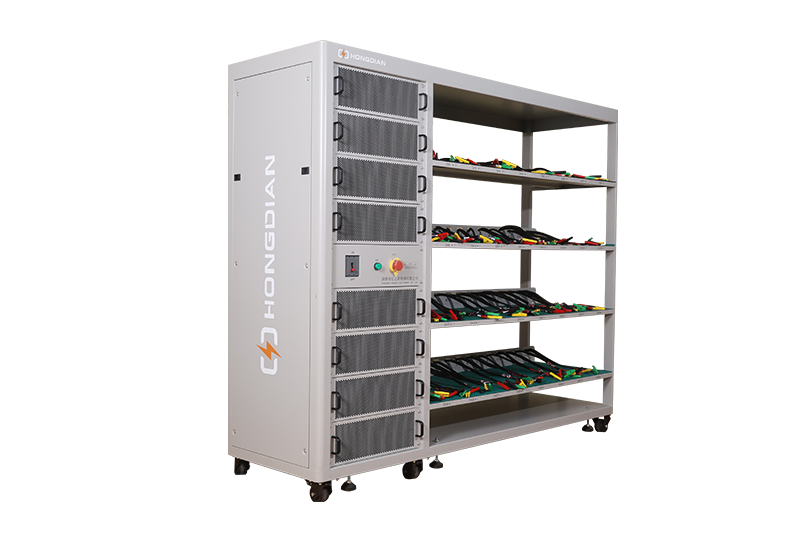 32/48 channel battery charging and discharging test integrated battery cabinet
 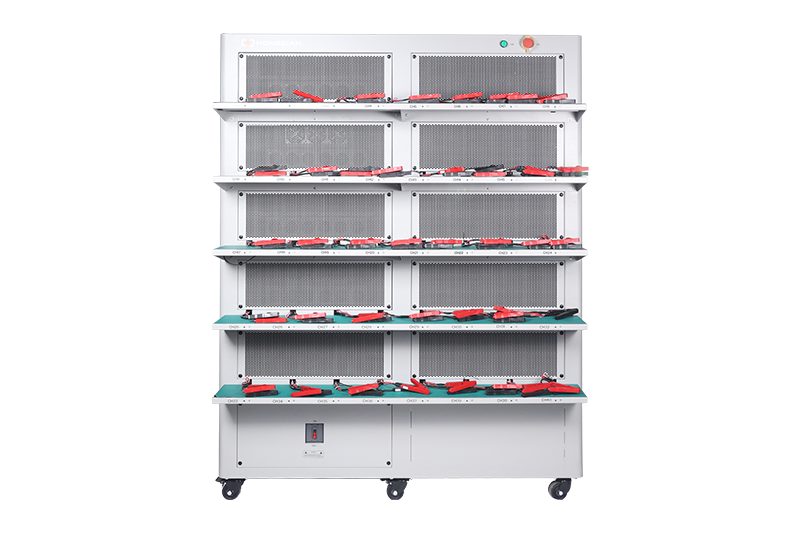 40 channel battery charging and discharging test integrated battery cabinet
  64 channel battery charging and discharging test integrated battery cabinet
 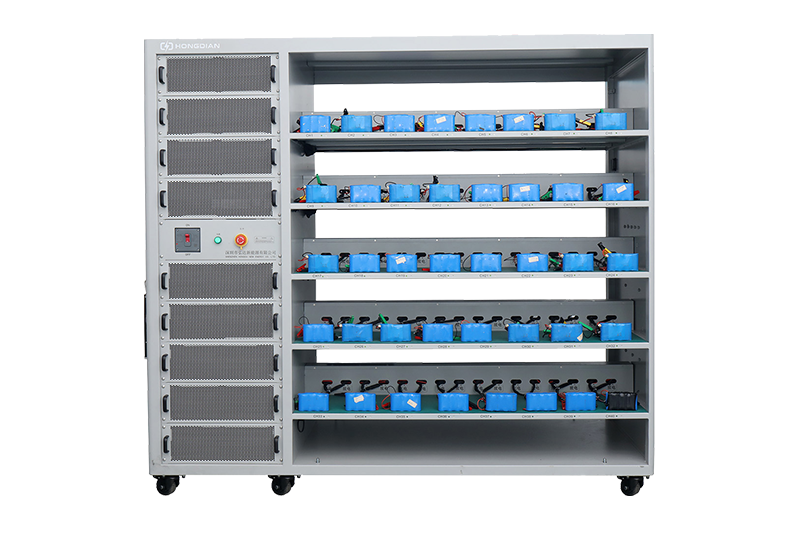 80 channel battery charging and discharging test integrated battery cabinet
 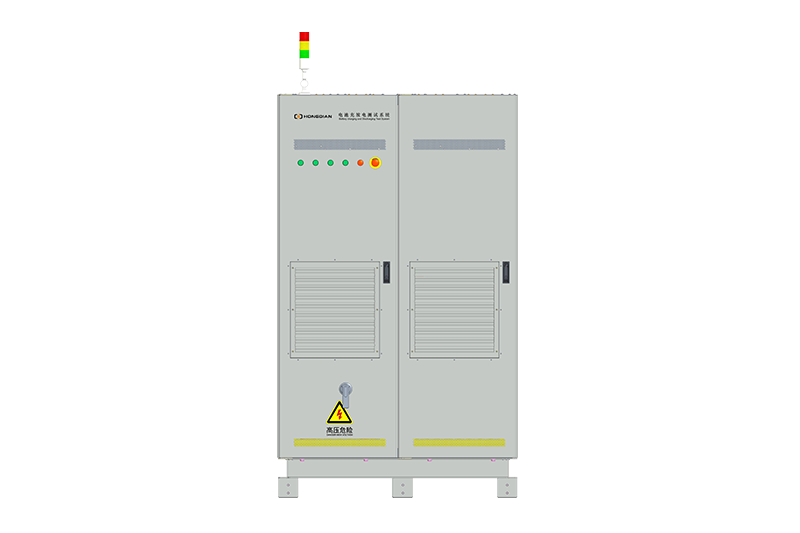 1000V-1500V High Voltage High Current Battery Testing System
 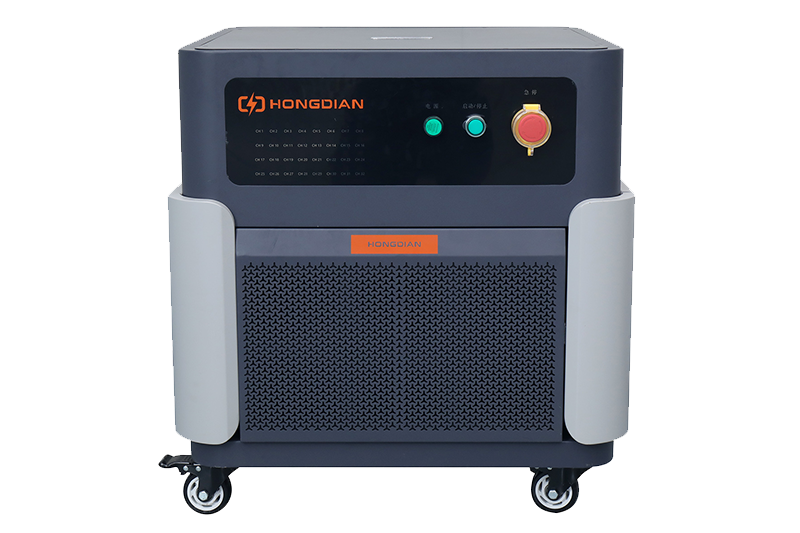 High-Precision Battery Testing System for Enhanced Performance Monitoring 30V/60V/100V/120V
 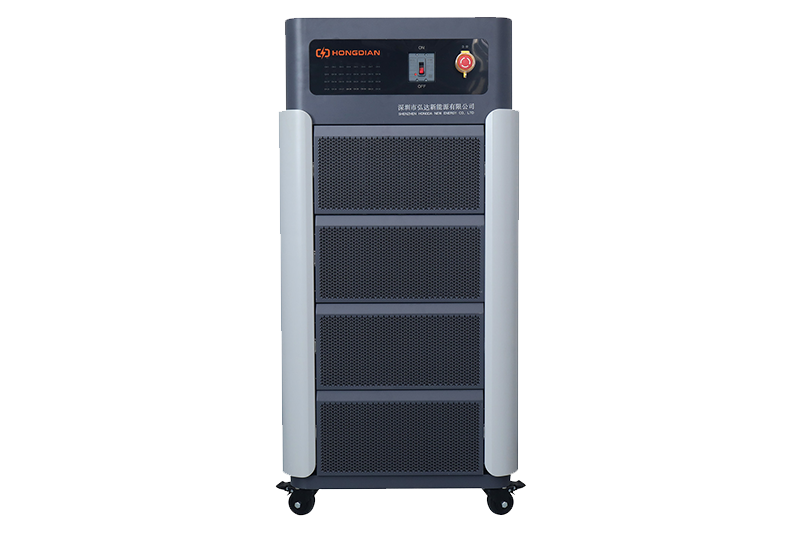 High-Precision Battery Charge Discharge Test Systems for EV Manufacturers
 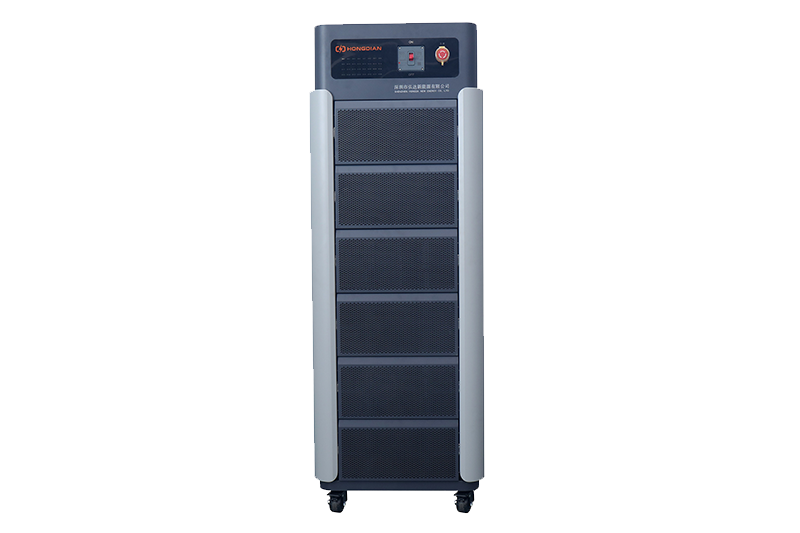 Precision Battery Test Racks for Cell Capacity & Internal Resistance Measurement
 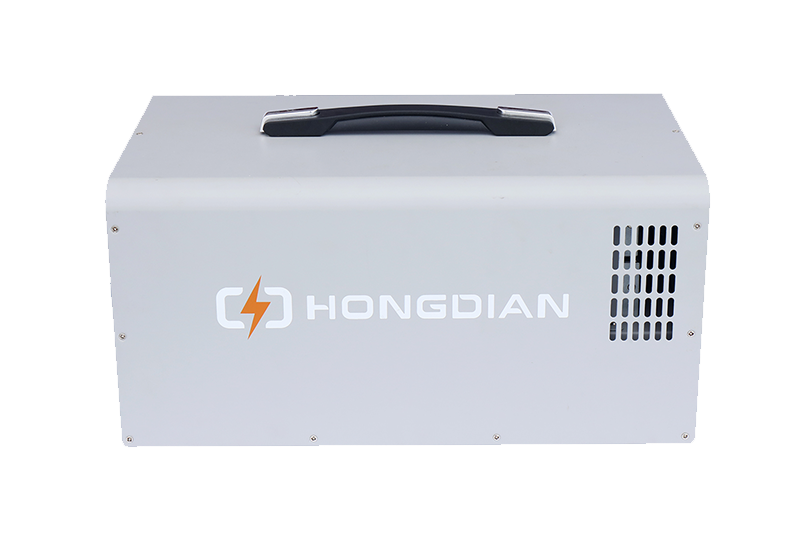 Multi-Channel Battery Testing Equipment for Parallel Performance Analysis