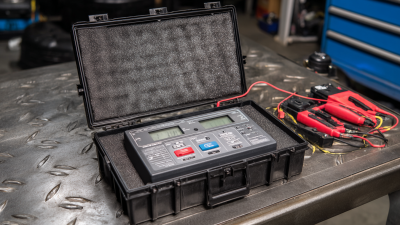
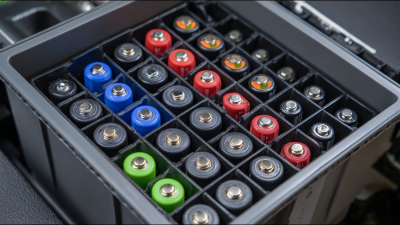
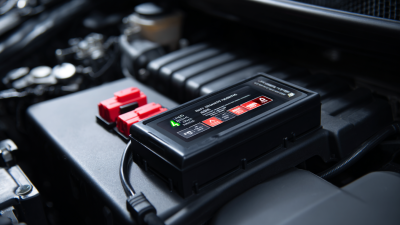
The energy storage industry is growing like crazy these days, and making sure lead-acid batteries are tested properly is more important than ever. If you look at recent market data, the global lead-acid battery market was worth around $55 billion back in 2021, and it's expected to hit about $76 billion by 2028. That just shows how much people really need reliable ways to test and assess battery performance. Shenzhen Hongda New Energy Co., Ltd. understands this importance firsthand – they’ve built a solid reputation by sticking to thorough testing methods. They've served over a thousand customers around the world, so they’re definitely a trusted name in the game. By using cutting-edge tech like their Lead AciD Battery Tester, both manufacturers and consumers can make sure their batteries run smoothly, last longer, and perform at their best. All of this really helps push the shift toward cleaner, sustainable energy solutions, which is pretty exciting.

Choosing the Right Tools for Testing Lead Acid Batteries
When you're testing those lead acid batteries, picking the right tools can really make a difference—it's key to getting accurate results and keeping things running smoothly. A multimeter is pretty much a must-have for this. It’s great because you can easily check voltage, current, and resistance all in one shot. For example, when you check the open-circuit voltage, it’ll tell you if the battery’s charged up or not. Usually, a fully charged lead acid battery should be around 12.6 volts or even higher. These days, a digital multimeter is super handy because you get quick, accurate readings—whether you’re just messing around or doing some more serious testing.
Another awesome tool you might want to have is a battery Load Tester. This device basically measures how well the battery can actually put out power when it’s under load—which is what it’s actually gonna experience in real life. By applying a consistent load for a set amount of time, you can really get a good idea of the battery’s health and performance. And don’t forget about a hydrometer—it’s a bit old school but still super useful for checking the specific gravity of the electrolyte in each cell. That little reading can tell you a lot about the charge level and overall condition of your battery. Put these tools together, and you've got a pretty solid plan for testing, helping your lead acid batteries stay in good shape and last longer.
Lead Acid Battery Performance Test Results
This chart illustrates the performance of lead acid batteries at various charge levels, measuring the output voltage. As the charge decreases, the voltage also drops, demonstrating the importance of testing batteries for optimal performance.
Understanding Key Performance Indicators for Battery Testing
When you're testing lead acid batteries to see how they're really doing, it’s super important to understand some key performance indicators, or KPIs for short. Stuff like capacity, internal resistance, and how well the battery accepts a charge can give you a pretty clear picture of its health and how efficiently it’s working. For example, capacity—usually measured in ampere-hours (Ah)—tells you how much total energy the battery can store. Basically, if a battery can deliver its full capacity under load, that’s a good sign it's in decent shape and could last a good while. Checking the capacity every now and then helps you spot if it’s starting to wear out, so you can decide when it’s time for maintenance or even a replacement.
Internal resistance is another biggie. It directly impacts how well the battery performs and how efficiently it runs. If resistance is low, that’s a good thing—it means the battery can handle more current with less energy wasted. Testing this resistance can also point out problems like sulfation or corrosion, which can seriously mess with its performance. And don’t forget about charge acceptance—this one’s about how fast the battery can soak up a charge when you connect it to a charger. Understanding this helps you figure out how well it’ll perform in real-world situations. Overall, keeping an eye on these KPIs can really help you get the most out of your batteries, making sure everything runs smoothly and reliably.
Step-by-Step Guide to Conducting a Load Test on Lead Acid Batteries
Doing a load test on lead acid batteries might sound a bit technical, but honestly, it's pretty important if you want your batteries to last longer and perform well. First off, grab the tools you'll need: a multimeter, a load tester, and some safety gear just to be safe. It’s a good idea to fully charge the battery first and then let it sit for a few hours—this helps get more accurate readings when you test. When you're ready, connect the load tester to the battery terminals, making sure the polarities are correct. Then, apply a load that's about half of what the battery is rated for, and keep it for around 15 seconds. Keep an eye on the voltage drop—if the battery's in good shape, it should stay above the minimum voltage the manufacturer recommends.
Here’s a little tip: always check the battery terminals for any corrosion and make sure they’re tight. Also, doing load tests about twice a year is a smart move—especially before you expect to use the battery heavily—so you can catch any issues before they become a real problem. And don’t forget, keeping your battery clean and well-maintained really makes a difference in how well it performs and how long it lasts.
At Shenzhen Hongda New Energy Co., Ltd., we’re big on understanding battery health, whether it’s for personal use or for your business. With years of experience supporting customers worldwide, we know that staying on top of maintenance, like load testing, can actually help extend the life of lead acid batteries—and that’s good news for everyone relying on them.
Interpreting Results: What Your Battery Test Numbers Mean
When you're testing lead-acid batteries, it’s pretty important to understand what the results are telling you—because that’s how you make sure everything’s running smoothly. The main things to check are voltage, specific gravity, and doing a load test. Ideally, a fully charged lead-acid battery should sit around 12.6 volts. If you’re seeing much lower numbers, it might mean your battery’s not fully charged yet, or worse, it could be on its way out. Keeping an eye on those readings can really save you from bigger headaches down the line.
Now, about specific gravity—this one’s measured with a hydrometer and gives you a good idea of how charged your battery is. Usually, a reading of about 1.265 means it’s fully charged. Anything below 1.200? That’s a sign it’s pretty discharged. Checking this regularly can help you catch issues early—like needing some maintenance, maybe a bit of equalization charge or even electrolyte changes.
Pro tip: Make sure you test your batteries after they've been fully charged and before you put them to heavy use—that way, your readings are more accurate. And don’t forget to do a load test too! A healthy battery should hold at least 9.6 volts for about 15 seconds under load. If it drops lower than that, it might be losing capacity or have some internal problems.
Common Issues Identified During Battery Testing and Fixes
When you're testing lead acid batteries, you might come across a few common issues that can really mess with how well they work. One of the top problems is sulfation—that’s when lead sulfate crystals build up on the plates, which makes it harder for the battery to charge and discharge properly. To keep things in check, it's a good idea to regularly monitor your battery’s charge levels and consider using a smart charger. If you do notice sulfation, there are ways to fix it, like applying a special desulfation process with the right charger or giving it a controlled pulse charge—sometimes that actually revives the battery.
Another troublemaker you’ll often see when testing these batteries is a drop in capacity. That usually happens because of electrolyte stratification or contamination—basically, the acid inside isn't evenly mixed, which weakens the battery’s performance. To prevent this, regular equalization charges can really help by balancing out the electrolyte levels. Also, it's smart to check for any contaminated or low electrolyte levels and top them up or replace as needed. Keeping those things in check will help your battery stay healthier longer and perform their best.
Maintaining Lead Acid Batteries for Improved Testing Outcomes
Taking good care of your lead-acid batteries is kinda essential if you want them to work their best and last longer. Honestly, just sticking to a regular maintenance routine can really boost how well these batteries perform. I’ve read that ignoring simple upkeep can slash their capacity by as much as 30%. So, what should you do? Check the fluid levels often, give the terminals a good clean, and make sure you're charging them properly. The Battery Council International even says that with proper care, you can extend a battery’s life by anywhere from 20% up to half again as long.

Here’s a couple of pro tips: regularly peek at the electrolyte level and top it off with distilled water if needed—this helps prevent sulfation, which is bad news for battery health. Cleaning the terminals with a mix of baking soda and water is a simple step that can stop corrosion, which totally messes with efficiency. Also, using a smart charger that has a maintenance mode can keep the battery charged just right without overdoing it.
Temperature and how you store your batteries matter a lot. Keeping them in a cool, dry spot can really make a difference. A study from the Journal of Power Sources mentions that if the temperature goes up by 10°C, the capacity can drop by around 15%. So, it’s a good idea to check on where you keep your batteries and ensure it’s nicely ventilated—hot environments are no good. Regular load testing is also a smart move; it can give you a clear picture of your batteries’ health and help make sure they’re up to the job when you need them.
All in all, a little bit of regular care and attention goes a long way in getting the most out of your lead-acid batteries and keeping them performing at their best.
Optimizing Battery Performance: A Comprehensive Guide to the 64-Channel Integrated Charging and Discharging Test Cabinet
Optimizing battery performance has become increasingly critical in today’s energy-driven landscape, particularly as industries grapple with the dual challenges of efficiency and sustainability. The 64-Channel Integrated Charging and Discharging Test Cabinet stands as a pivotal tool for research and development in battery technology. This advanced system enables precise testing of battery performance under varied conditions, which is essential for determining lifespan and efficiency metrics. Recent studies underscore that optimal charging and discharging protocols can enhance battery life by up to 30%, significantly reducing costs associated with battery replacements.
The energy feedback charging and discharging testing system represents a breakthrough in powering battery technology. As a computer-controlled energy feedback power testing system, it carefully regulates charge and discharge cycles, which leads to more accurate data on battery behavior and performance metrics. According to a report by the International Energy Agency, lithium-ion batteries alone are projected to see a 300% increase in demand by 2030, highlighting the necessity for robust testing systems. By utilizing the 64-channel capability, users can execute multiple tests simultaneously, facilitating rapid development and acceleration in innovation within the battery ecosystem.
Moreover, the integrated test cabinet supports a comprehensive approach to battery evaluation, aligning with industry best practices. The ability to analyze different charge and discharge rates provides invaluable insights into heat generation, efficiency loss, and overall performance. This aligns with findings from recent automotive studies that reveal enhancing battery management systems can increase electric vehicle range by up to 20%. In essence, tools like the 64-Channel Integrated Charging and Discharging Test Cabinet are essential in the quest for optimizing energy storage solutions, ensuring businesses remain competitive in a fast-evolving market.
FAQS
: A multimeter is an essential instrument that measures voltage, current, and resistance. It is important for testing lead acid batteries as it helps determine the state of charge by checking the open-circuit voltage, which should be around 12.6 volts or higher for a fully charged battery.
A battery load tester measures a battery's ability to produce power under load conditions. It simulates the power draw the battery would experience during actual use by applying a consistent load for a specified duration, allowing assessment of the battery's health and performance.
A hydrometer is used to evaluate the specific gravity of the electrolyte in each cell of the battery, indicating the state of charge and overall battery condition. It is essential for determining whether the battery needs maintenance.
A voltage reading significantly lower than 12.6 volts suggests that the battery may not be fully charged or could potentially be failing, signaling the need for further investigation or maintenance.
Specific gravity readings provide insights into the battery's charge state; a reading of 1.265 is considered fully charged, while readings below 1.200 indicate a discharge state. Regular checks can help maintain battery health.
The best time to test lead acid batteries is after a full charge and before heavy use, ensuring the most accurate readings of the battery's state and performance.
Load testing a battery checks its performance under stress, indicating whether it can maintain at least 9.6 volts under load for 15 seconds. Results lower than this can indicate diminishing capacity or internal faults.
If testing results show low specific gravity or voltage, maintenance actions may include equalization charging or electrolyte replacement to ensure optimal performance and prolong battery lifespan.
The primary metrics to consider are voltage, specific gravity, and load testing results, as these provide a comprehensive understanding of the battery's health and readiness for use.
Conclusion
If you’re serious about getting the best performance out of your lead acid batteries, using the right tools—like a Lead Acid Battery Tester—is a total game-changer. In this guide, I’ll walk you through everything from picking the right testing gear to understanding what those key performance indicators really say about your battery’s health. I’ll also show you step-by-step how to perform a load test so you can figure out whether your battery can still do its thing. Once you have your results, it’s easier to spot potential issues before they turn into bigger problems. Plus, I’ve included some common battery issues and simple fixes, along with the importance of regular maintenance – trust me, it makes a huge difference!
Here at Shenzhen Hongda New Energy Co., Ltd., we get how critical precise battery testing is. We’ve proudly helped over a thousand customers around the world. Our goal? To make sure you get the most out of your lead acid batteries by using proper testing and maintenance routines. That way, you can keep them running smoothly for longer and avoid unexpected troubles.

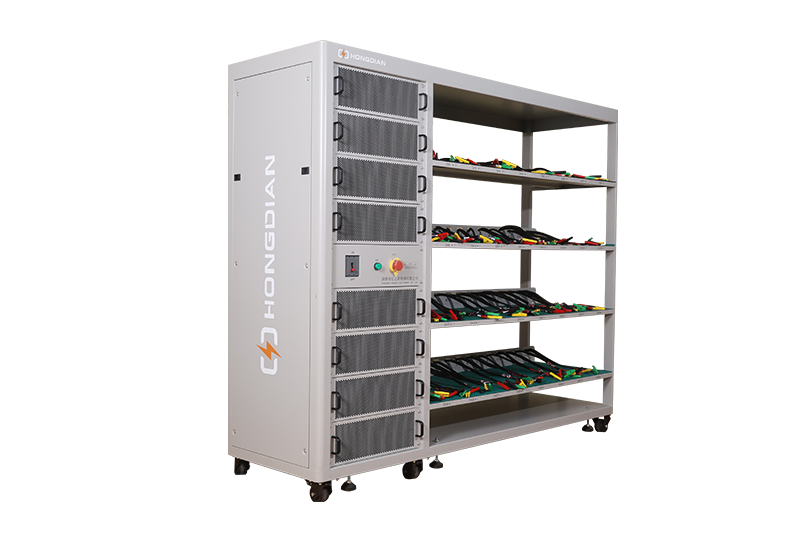 32/48 channel battery charging and discharging test integrated battery cabinet
  40 channel battery charging and discharging test integrated battery cabinet
  64 channel battery charging and discharging test integrated battery cabinet
 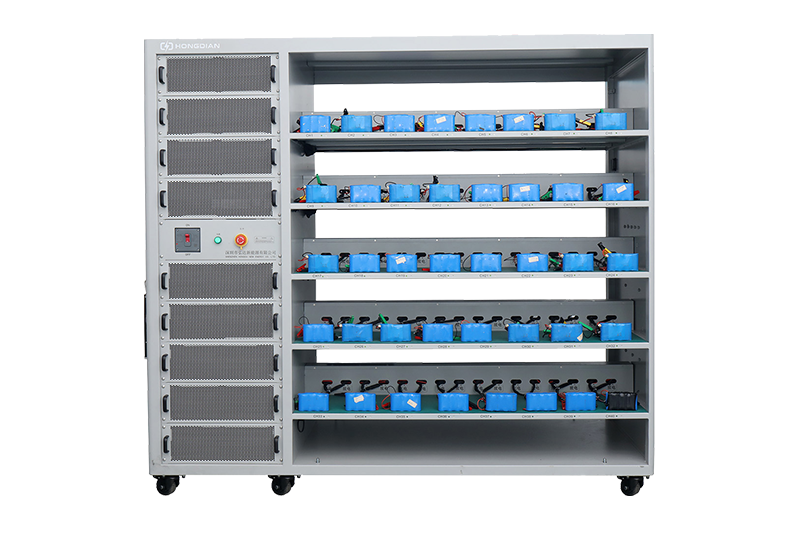 80 channel battery charging and discharging test integrated battery cabinet
 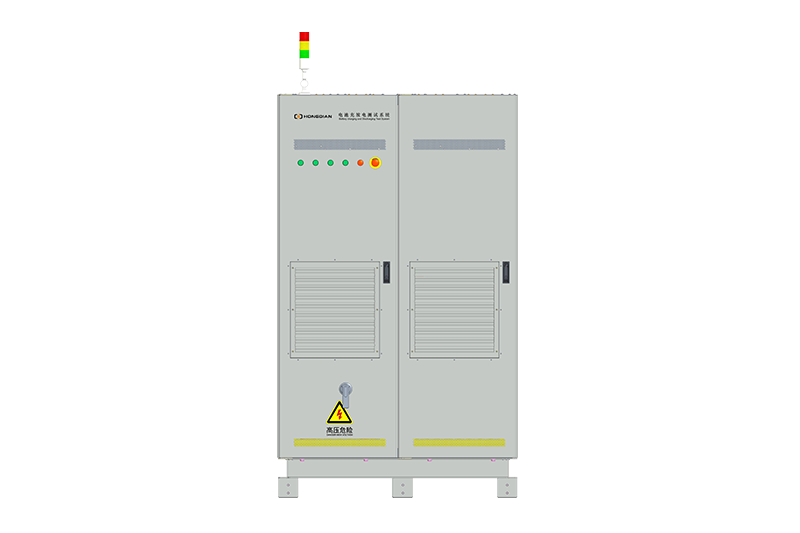 1000V-1500V High Voltage High Current Battery Testing System
 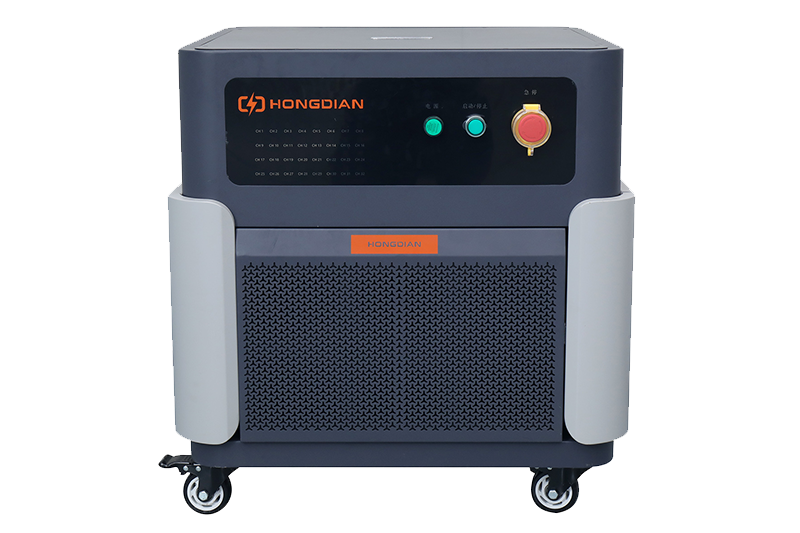 High-Precision Battery Testing System for Enhanced Performance Monitoring 30V/60V/100V/120V
 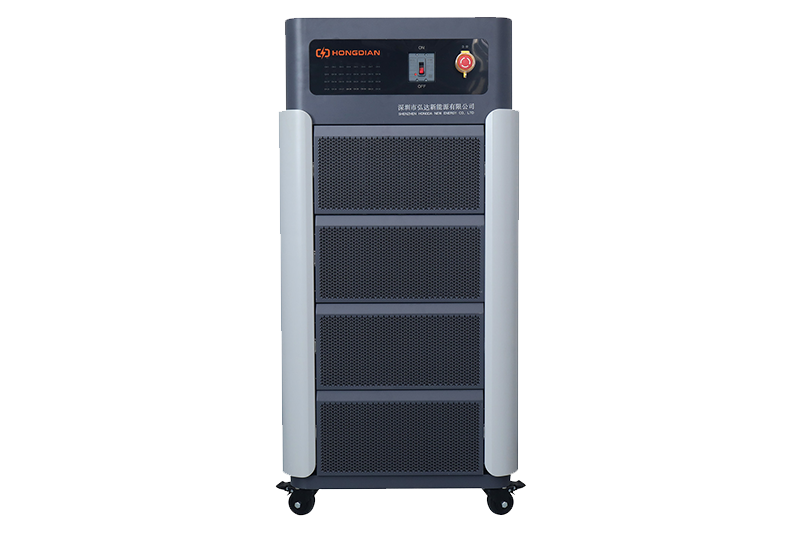 High-Precision Battery Charge Discharge Test Systems for EV Manufacturers
 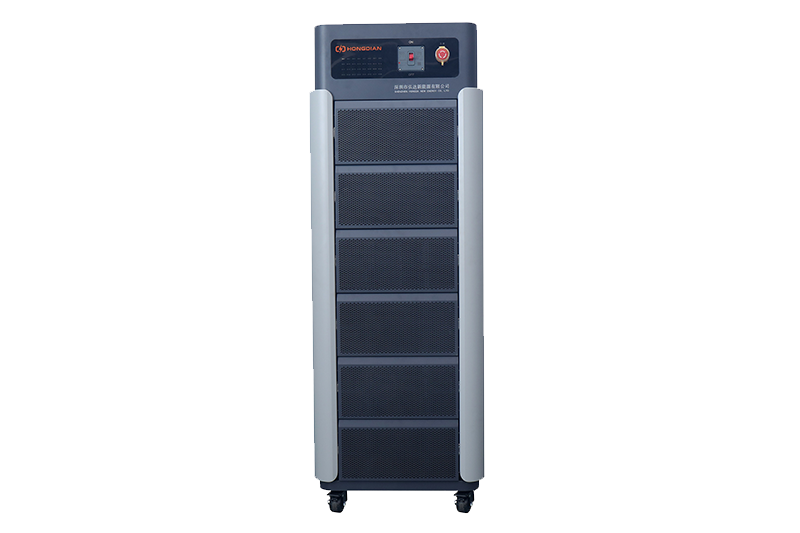 Precision Battery Test Racks for Cell Capacity & Internal Resistance Measurement
 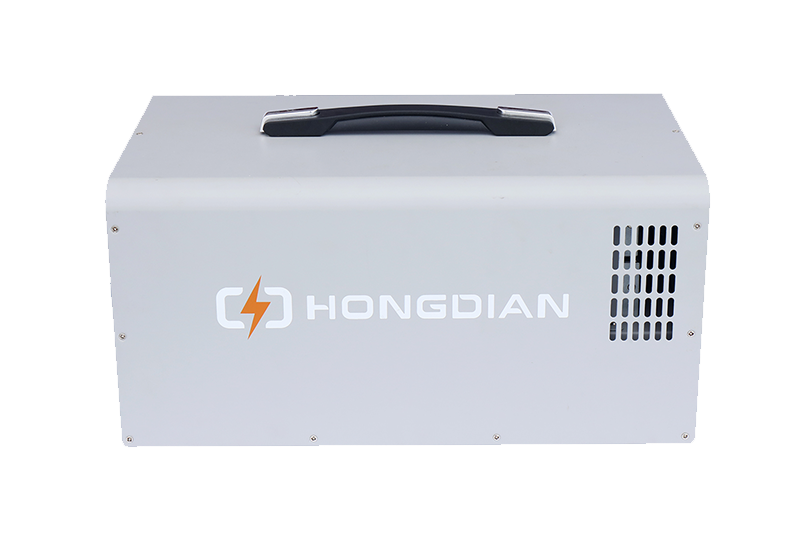 Multi-Channel Battery Testing Equipment for Parallel Performance Analysis